What to Do If You’re in a Truck Accident (Step-by-Step Checklist for Drivers)
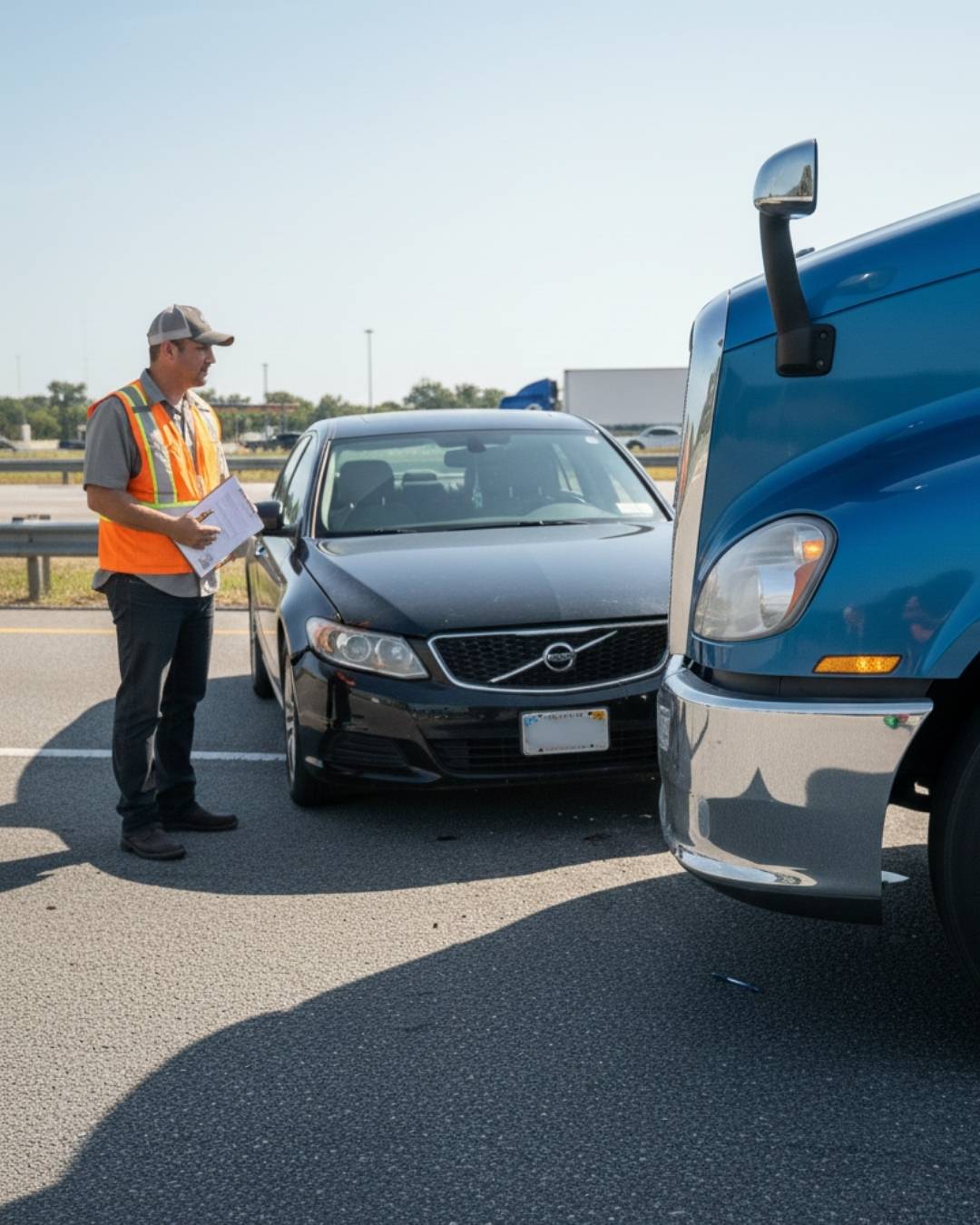
What should you do right after a truck accident?
First secure the scene, call 911, document everything, and notify your carrier—fast and in the right order.

FMCSA Compliance for Owner Operators
What should you do right after a truck accident?
First secure the scene, call 911, document everything, and notify your carrier—fast and in the right order.
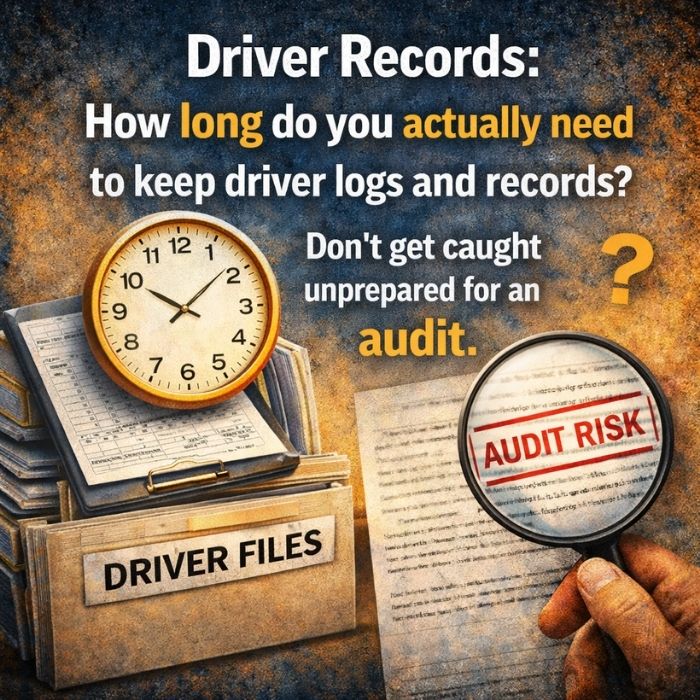
How long do you have to keep driver records?
DOT record retention periods vary by document type, and missing or expired records are a common reason carriers fail audits.
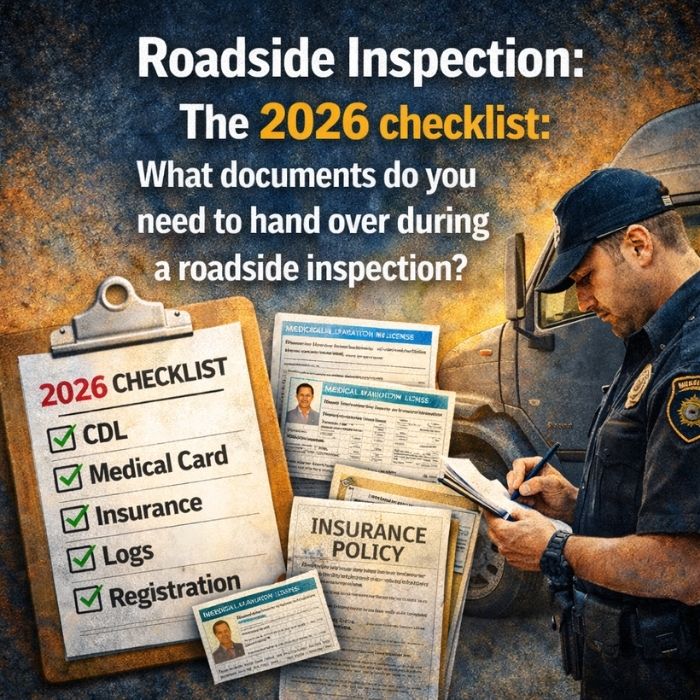
What documents do you need for a roadside inspection?
Drivers must be able to produce required DOT documents, including driver credentials, hours-of-service records, and vehicle paperwork, when requested.
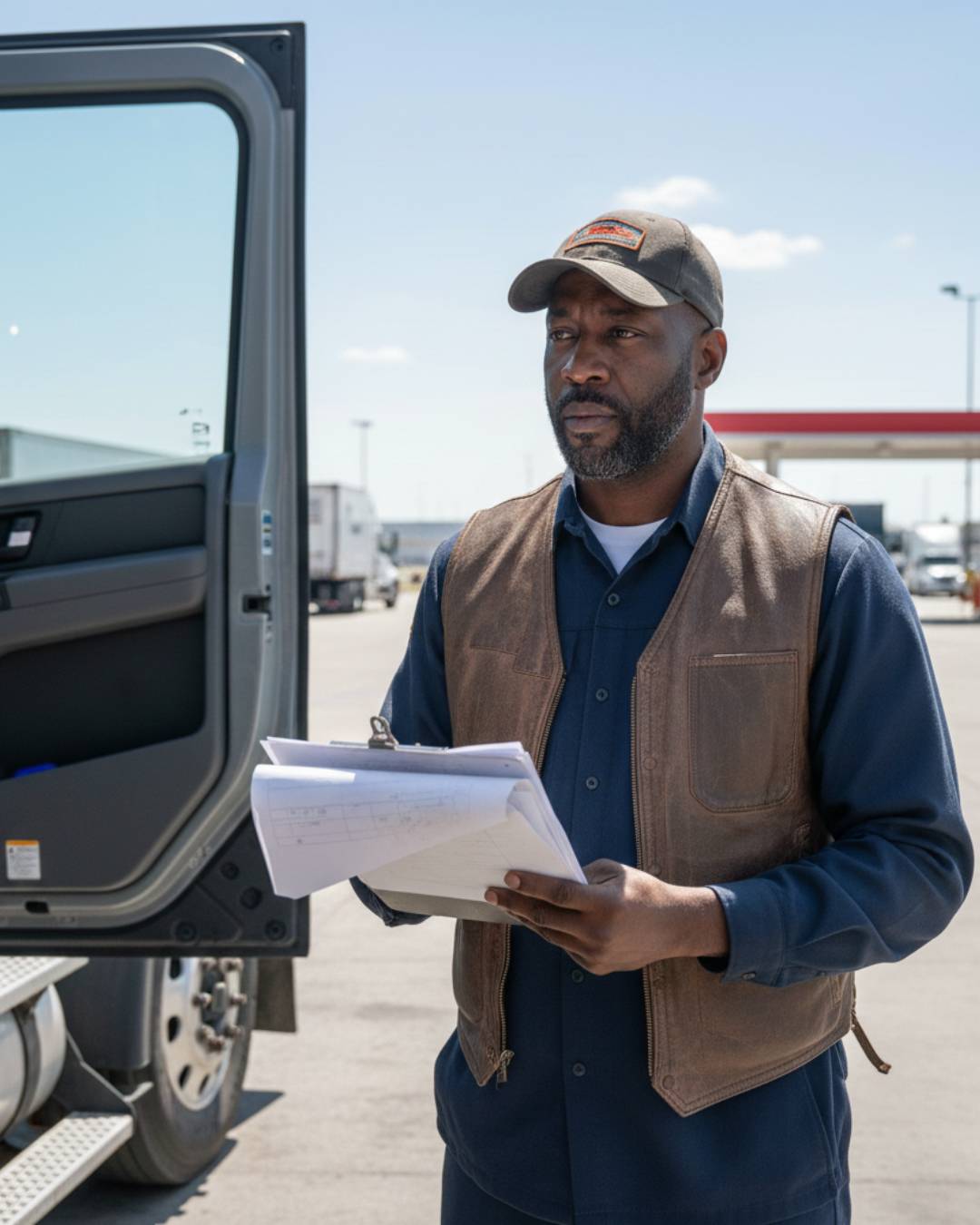
What is a DOT audit and why do truckers fail them?
A DOT audit is an FMCSA compliance review, and truckers usually fail because required records are missing, incomplete, or not maintained properly.
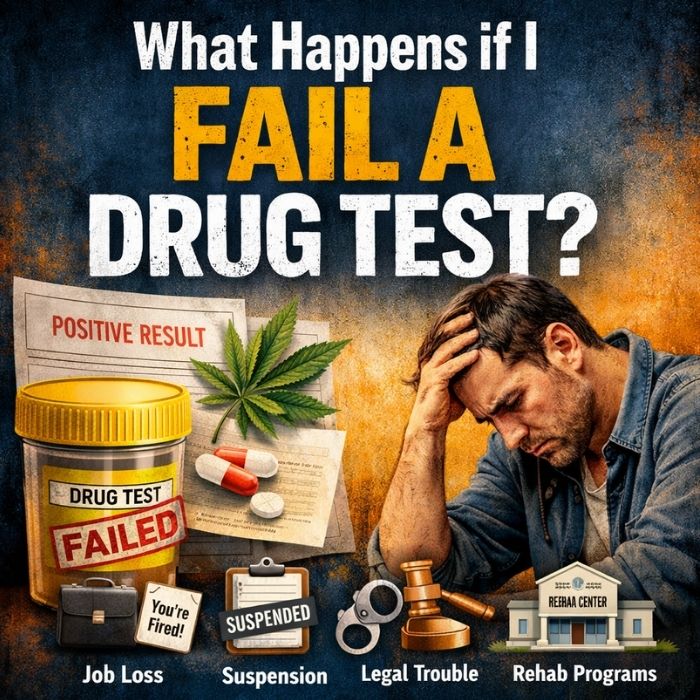
What happens if you fail a DOT drug test?
If you fail a DOT drug test, you are immediately removed from safety-sensitive driving duties and must complete the return-to-duty process before driving again.
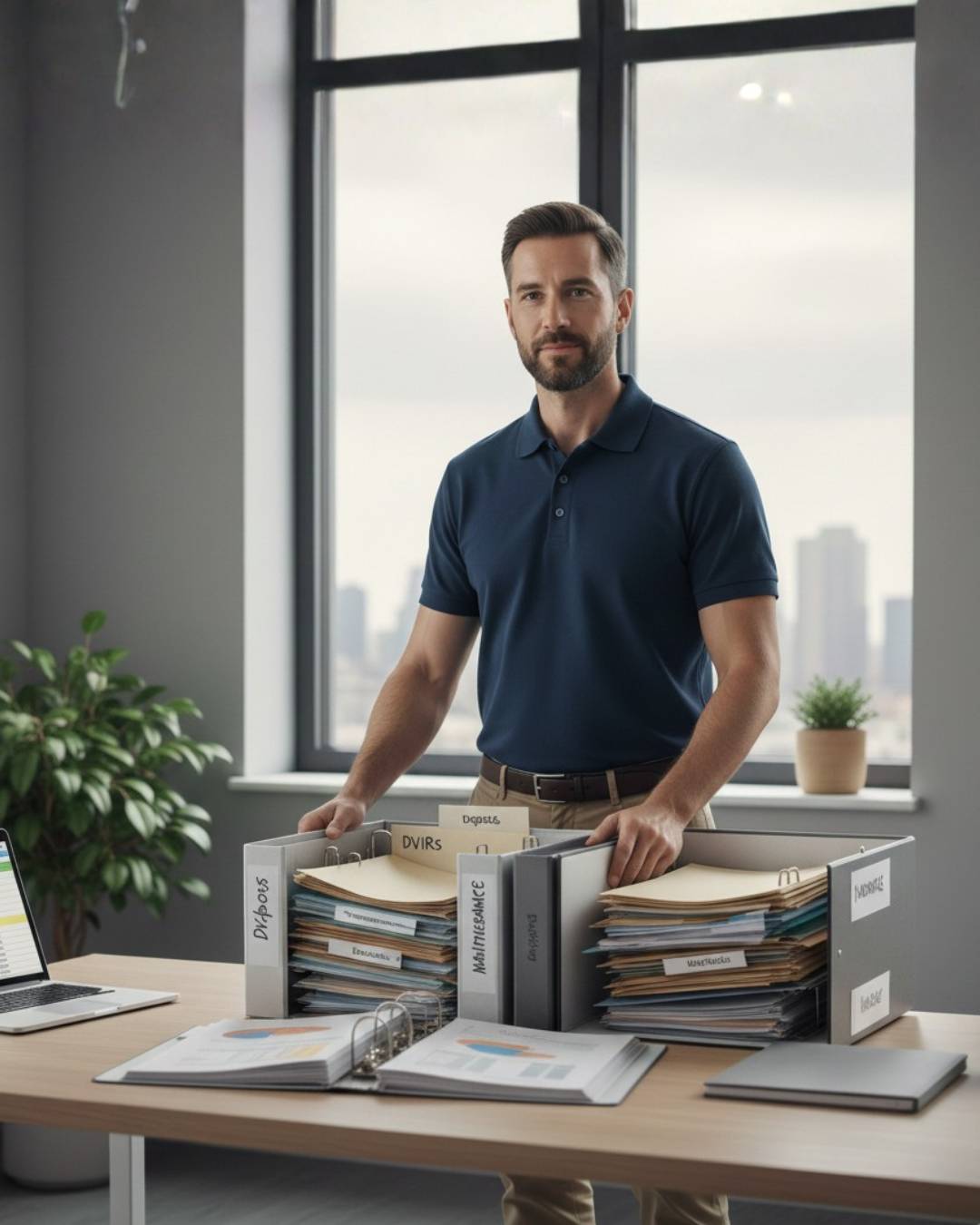
Q: What documents does FMCSA require during an audit?
A: FMCSA expects immediate access to driver files, HOS records, maintenance documents, and other core compliance records.

Q: What happens during an FMCSA audit?
A: FMCSA reviews your records and systems. Missing DQ files, HOS, or maintenance docs is where carriers get hit.
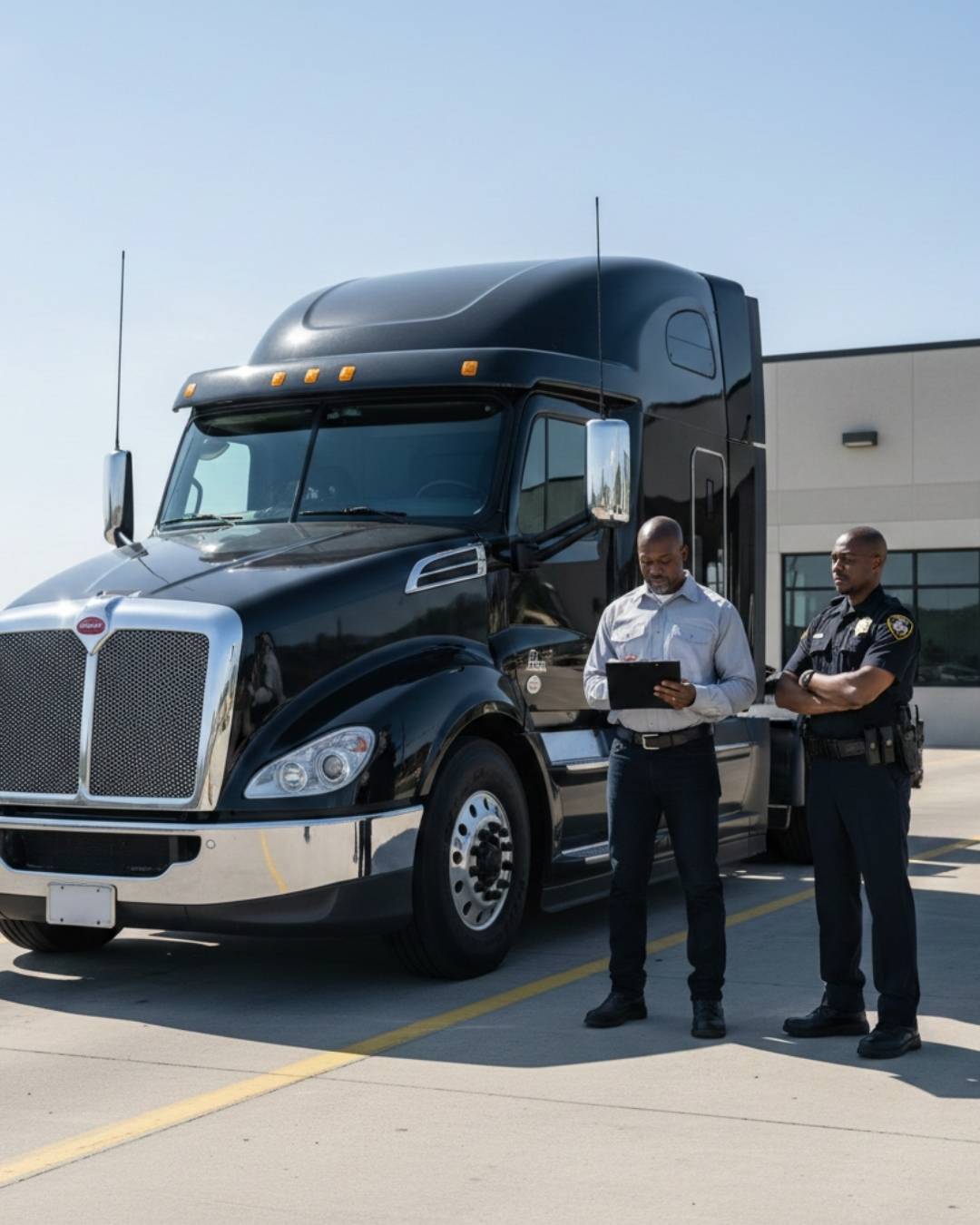
Q: Why do trucking companies get shut down for paperwork?
A: Because FMCSA compliance requires proof. Missing DQ files, Clearinghouse steps, or registration items can stop a carrier fast.
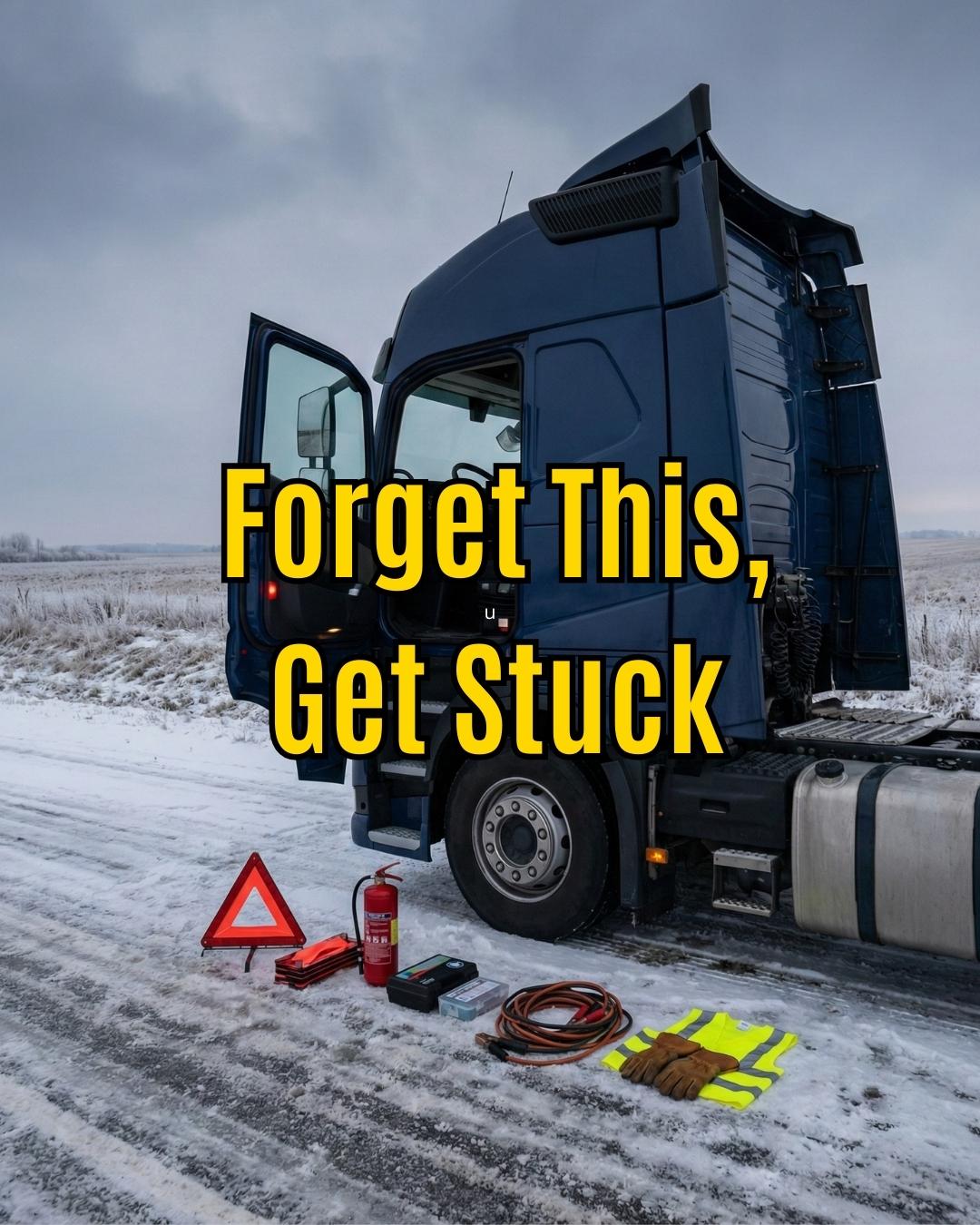
Q: What winter emergency gear does FMCSA expect truckers to carry?
A: FMCSA requires fire extinguishers, spare fuses, and warning devices year-round, and winter conditions make that gear even more critical. This guide shows you exactly what’s required, what’s smart to add, and how to stay safe and compliant when the roads turn dangerous.
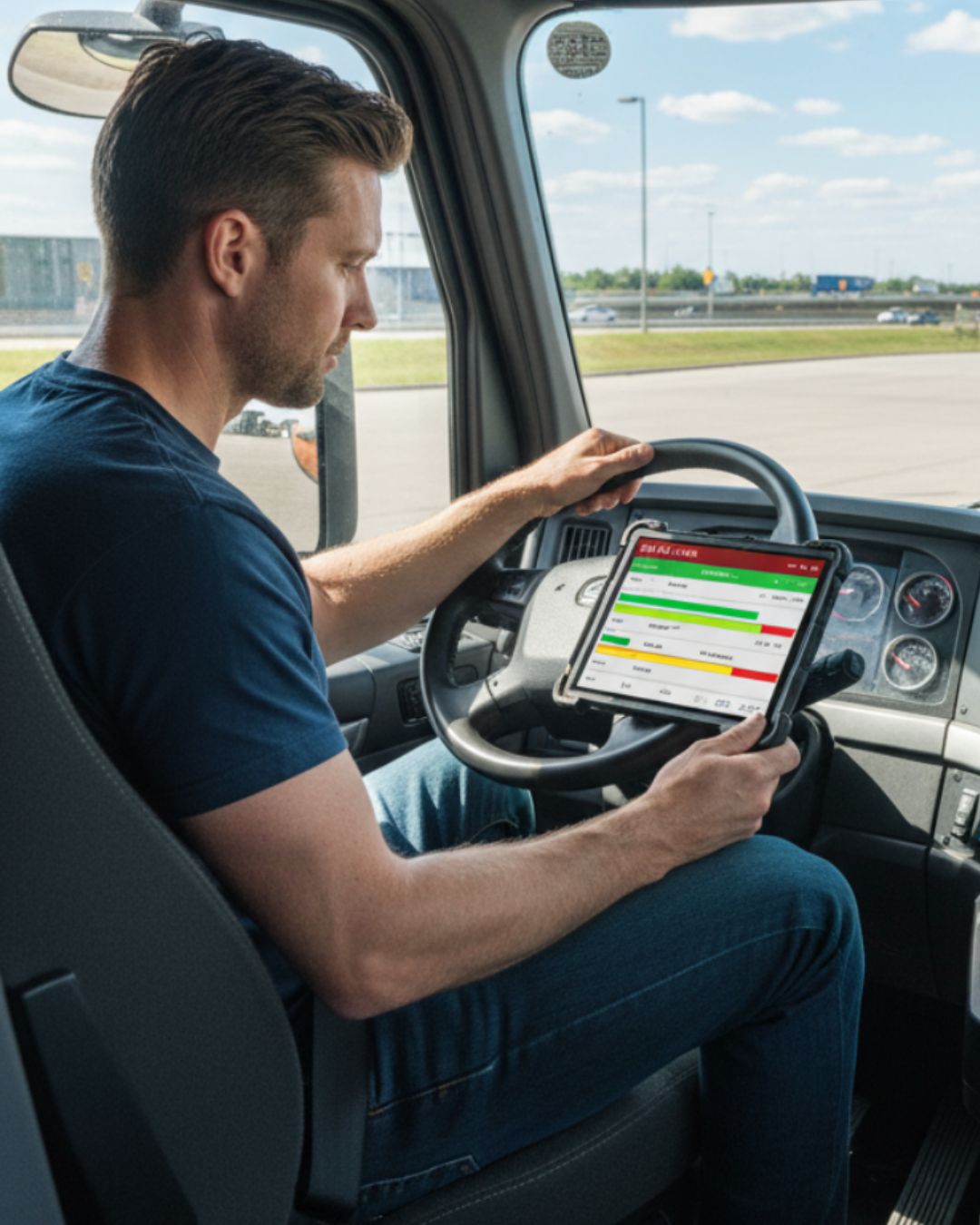
Most drivers don’t get hit with violations because they’re reckless — they get hit because they don’t know what’s changed. Here’s how to protect your CDL and your wallet.