
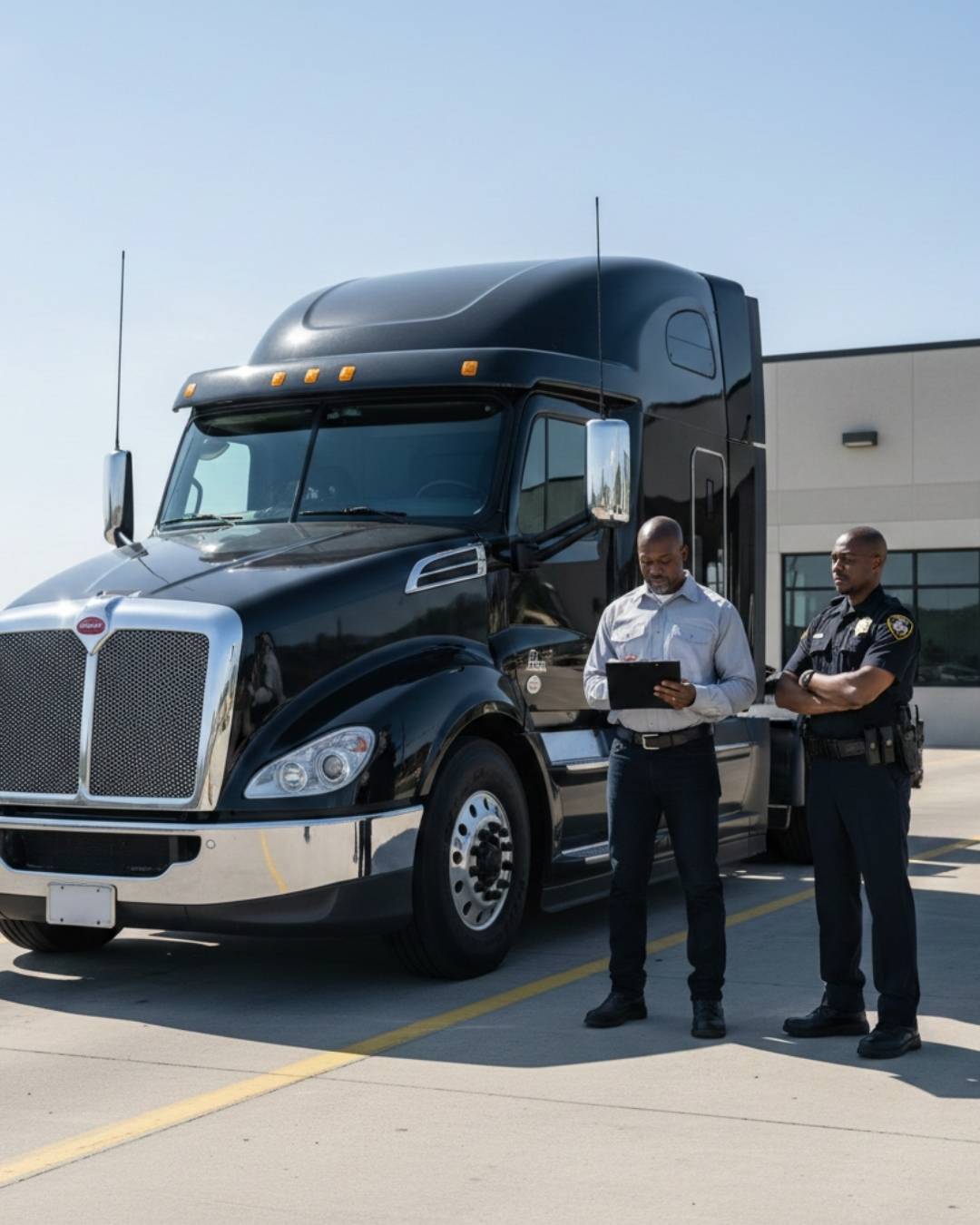
Why Trucking Companies Get Shut Down for Paperwork — Not Unsafe Driving
So basically… a carrier can be doing everything “right” on the road and still get stopped cold if the compliance paperwork isn’t right.
Most people assume FMCSA shutdowns happen because a driver was reckless, speeding, or caused a crash. That can happen, sure — but a lot of carriers get shut down for something that feels way less dramatic: paperwork.
Think about it like this… you can have a truck that runs perfect, tires good, brakes good, driver doing their job — but if your required files and records aren’t in order, you can still end up with enforcement action that stops your operation.
This post breaks down the real-world compliance items that can put carriers in a bad spot fast — and how to build a simple system so you don’t get caught slipping.
Why does FMCSA shut carriers down for paperwork issues?
FMCSA enforcement isn’t just about what happens on the road — it’s also about whether a carrier can prove compliance. A carrier is required to maintain specific records and documentation under federal regulations. When those records are missing, incomplete, or not current, it creates a compliance failure that can lead to enforcement action.
Okay now… here’s the mindset shift: unsafe driving often produces a ticket. But paperwork failures can trigger authority-level consequences because they touch the carrier’s ability to operate legally and safely as a business.
What paperwork problems cause the most trouble for carriers?
Paperwork issues usually fall into a few high-impact buckets — the stuff FMCSA expects a carrier to have handled as part of basic operations. These are the areas that can create major problems when they’re missing or not properly maintained:
1) Driver Qualification (DQ) Files — required driver records that show the carrier qualified the driver properly.
2) Drug & Alcohol compliance (including the FMCSA Clearinghouse) — especially for CDL drivers operating in regulated roles.
3) Insurance and registration items — keeping filings and registration information current, including updates when required.
4) Recordkeeping and audit readiness — the ability to produce required records when asked, not “we’ll find it later.”
Let me show you what these look like in real life, without the fluff.
What is a Driver Qualification (DQ) File, and why does it matter so much?
A Driver Qualification (DQ) File is the set of required records that demonstrate a carrier has properly qualified a driver under federal rules. This is one of those areas where “we know our driver is good” doesn’t help — the requirement is about documentation.
DQ file requirements live under 49 CFR Part 391. If you want the primary source (not somebody’s opinion), you can reference the regulation here: eCFR: 49 CFR Part 391.
So you want to make sure your DQ files are treated like a core business system — not something you “get around to” when you have time.
How can the FMCSA Drug & Alcohol Clearinghouse create problems fast?
The FMCSA Drug & Alcohol Clearinghouse is a federal system that tracks drug and alcohol program violations for CDL drivers. Depending on your operation and driver roles, compliance here can be a make-or-break item.
If a carrier isn’t registered when required, doesn’t run the right queries when required, or doesn’t have the process to ensure drivers are eligible to operate, that’s a compliance exposure. The official Clearinghouse portal is here: FMCSA Drug & Alcohol Clearinghouse.
All right, so… this is where small fleets get hit: they’re busy dispatching, dealing with loads, breakdowns, and paperwork stacks — and compliance tasks don’t feel urgent until the day they’re urgent.
What about insurance filings and registration updates?
Carriers also have to keep their registration and related information current. When something isn’t maintained properly — especially around registration status, updates, and filings — it can create operational consequences.
FMCSA’s registration resources and guidance live here: FMCSA Registration.
Think about it like this… if your authority is “a license to operate,” then your filings and required updates are part of keeping that license valid. A lot of carriers don’t feel that risk until something stops them from moving.
Why unsafe driving usually isn’t the trigger that shuts down a company
Unsafe driving is serious — but it often results in enforcement against the driver first (tickets, citations, CSA impacts, inspections, etc.). Paperwork compliance, on the other hand, is typically tied to the carrier’s legal and administrative responsibilities.
That’s why you’ll see carriers who “run clean” still get jammed up: the business side of the operation didn’t have a system for documentation, record retention, or readiness when someone asks for proof.
How do you protect yourself? Build a simple compliance system
Let me show you the practical way to handle this — without turning your operation into a paperwork nightmare.
1) Stop relying on memory
Memory is not a compliance system. If your plan is “I’ll remember to do it,” you’re already exposed — because the day gets busy, a load goes sideways, a shipper delays you, and compliance gets pushed.
2) Use checklists and templates to make compliance repeatable
This is where tools matter. You want a repeatable set of checklists and templates that keep you consistent — especially when you’re tired, slammed, or distracted.
If you want a centralized place to organize that side of your operation, start here: FMCSA Compliance Tools.
3) Make “inspection readiness” part of your weekly routine
Okay now… inspection readiness is a habit. A simple weekly rhythm helps you catch gaps before they become an enforcement problem. This can be as basic as a weekly file review, making sure driver records are current, and confirming you can produce what you’re required to produce if asked.
4) Keep your gear and organization tight
Some compliance problems aren’t “knowledge” problems — they’re organization problems. Having the right tools to keep documents, logs, and essentials accessible can reduce stress during inspections and audits.
For practical gear and tools that support an organized operation, see: FreightProHub Gear & Tools.
Quick recap
So basically… if you want to stay on the road and keep your authority strong, paperwork can’t be treated like an afterthought.
Paperwork shutdowns happen because documentation is how compliance is proven. A carrier can be safe on the road and still be non-compliant on paper — and that’s where the business gets exposed.