How Long Do You Have to Keep Driver Records?
How long do you have to keep driver records?
DOT record retention periods vary by document type, and missing or expired records are a common reason carriers fail audits.

FMCSA Compliance for Owner Operators
Content that helps owner-operators and small fleets prepare for DOT audits, understand what inspectors look for, and stay ahead on FMCSA compliance so they don’t get blindsided.
How long do you have to keep driver records?
DOT record retention periods vary by document type, and missing or expired records are a common reason carriers fail audits.

What is a DOT audit and why do truckers fail them?
A DOT audit is an FMCSA compliance review, and truckers usually fail because required records are missing, incomplete, or not maintained properly.

Q: What documents does FMCSA require during an audit?
A: FMCSA expects immediate access to driver files, HOS records, maintenance documents, and other core compliance records.

Q: What happens during an FMCSA audit?
A: FMCSA reviews your records and systems. Missing DQ files, HOS, or maintenance docs is where carriers get hit.
Q: Why do trucking companies get shut down for paperwork?
A: Because FMCSA compliance requires proof. Missing DQ files, Clearinghouse steps, or registration items can stop a carrier fast.

Q: What winter emergency gear does FMCSA expect truckers to carry?
A: FMCSA requires fire extinguishers, spare fuses, and warning devices year-round, and winter conditions make that gear even more critical. This guide shows you exactly what’s required, what’s smart to add, and how to stay safe and compliant when the roads turn dangerous.

Most drivers don’t get hit with violations because they’re reckless — they get hit because they don’t know what’s changed. Here’s how to protect your CDL and your wallet.

Your logbook is more than paperwork — it’s your defense in an audit. Here’s how to catch the most common owner-operator mistakes before they cost you.

The Latest DOT & FMCSA Rule Changes You Can’t Afford to Miss — Stay Ahead of Audits and Fines Every year, new FMCSA rules roll out quietly — until they cost someone a fine. As an owner-operator or small fleet, it’s not enough to run good freight. You’ve got to stay audit-ready and regulation-aware. In … Read more
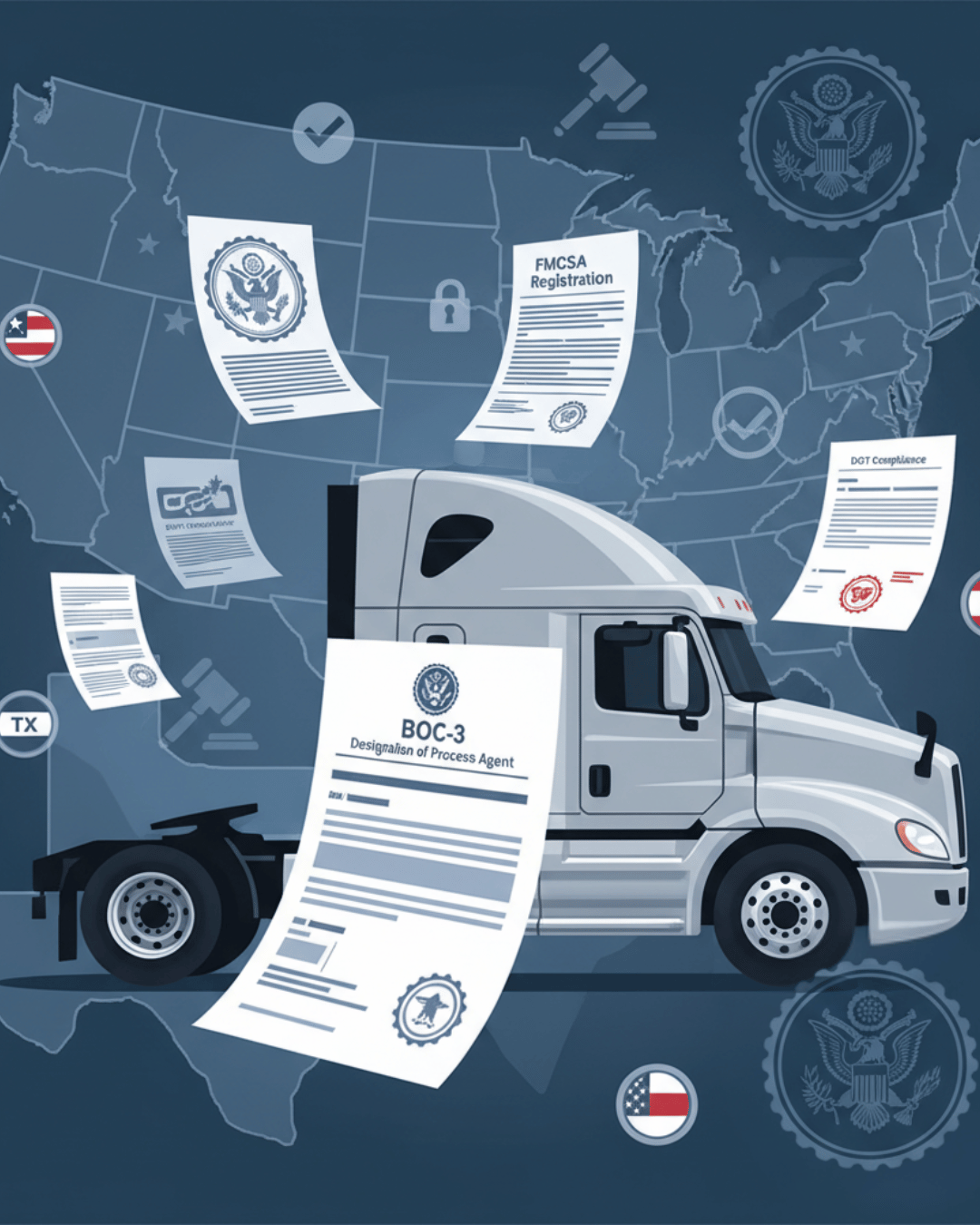
Thinking about operating under your own authority? The BOC-3 isn’t optional paperwork – it’s a federal requirement that can cost you $16,000+ in fines if you get it wrong. As a former owner-operator, I’ll show you exactly what you need to know about process agent designation, when to file it, and the costly mistakes that shut down new authorities before they even get started.