
FMCSA Clearinghouse 2026: New Rules Every CDL Driver Must Know
Current as of December 2025
FMCSA Rules Made Simple
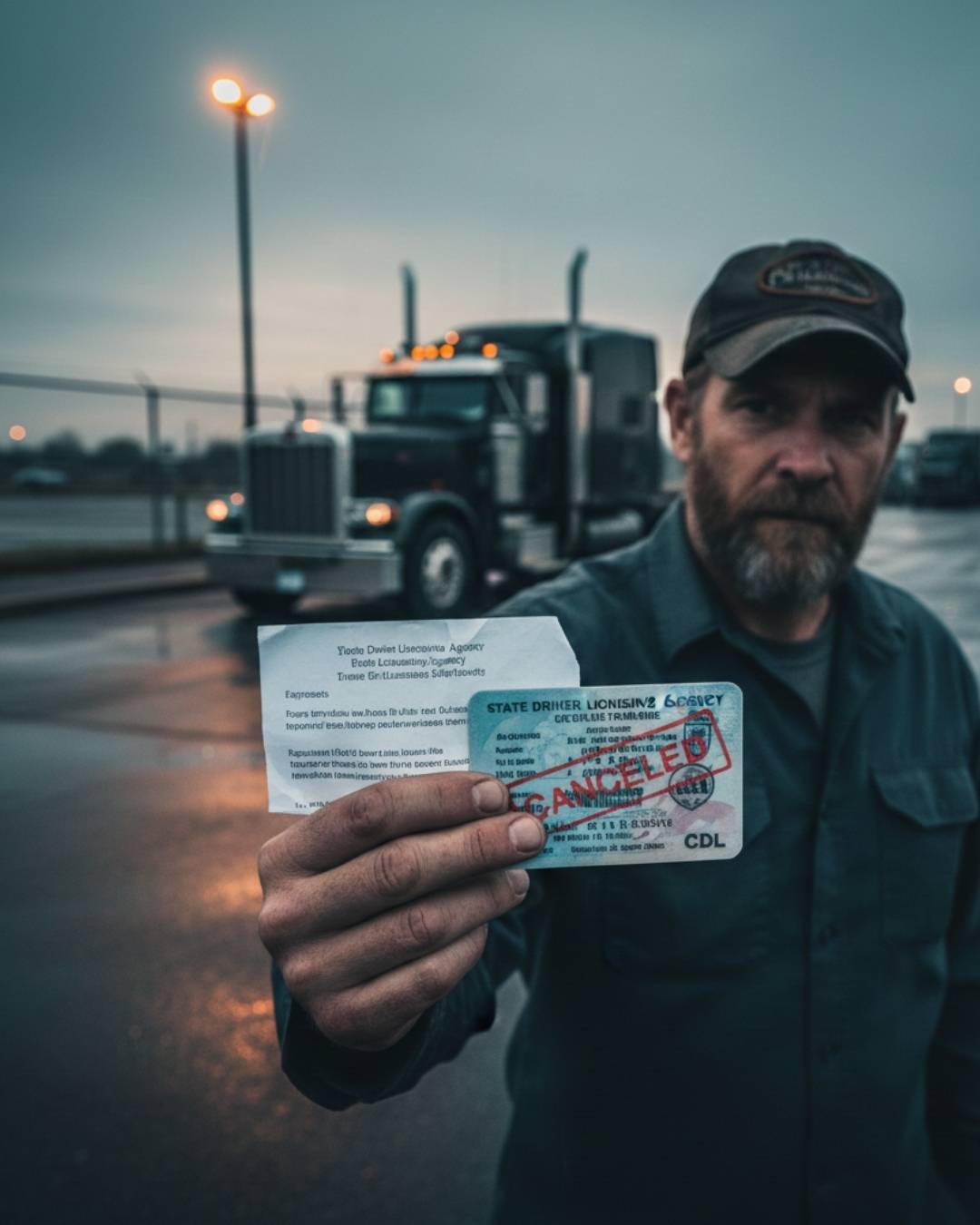
✅ The Direct Answer: The biggest change for 2026 is the full enforcement of Clearinghouse II. Under 49 CFR § 383.73(q), if you are in “prohibited” status, your State Driver Licensing Agency (SDLA) is legally required to downgrade your CDL to a non-commercial license within 60 days.
Key Highlights:
- Automatic Downgrades: States now receive electronic notifications and must pull commercial privileges.
- The 24-Hour Rule: Violations are reported fast — often within one business day.
- No More State-Hopping: States must query the Clearinghouse before any CDL transfer or renewal.
- Mandatory RTD: You can’t wait out the clock — the only way back is through a SAP-led Return-to-Duty (RTD) process.
Related Terms for the 2026 Audit
- Prohibited Status: The “red light” status in the system per 49 CFR § 382.501.
- SDLA (State Driver Licensing Agency): Your home state’s DMV/BMV.
- CDLIS: The national system where your downgrade is officially recorded.
- Actual Knowledge: A violation reported without a drug test (example: direct observation by a supervisor, etc.).
- Return-to-Duty (RTD): The multi-step process to move from “Prohibited” to “Eligible.”
The 2026 Reality: Why Your License Is at Risk
For years, the Clearinghouse was like a “private” list for companies. If you failed a test, you could lose the job — but your CDL might still look valid in your wallet.
That loop is closed. Under the Clearinghouse II enforcement model, the federal system and the states are now tied together. When a violation is entered and you become “prohibited,” the state is notified and the downgrade clock starts.
The “Refusal” Trap: It’s Worse Than a Positive Test
Many drivers are losing their licenses not because they used drugs — but because they didn’t understand what counts as a Refusal to Test.
- Walking away from a clinic before the test is completed
- Failing to show up on time for a random
- “Shy bladder” without a valid medical path handled correctly
Under 49 CFR § 382.501(a), a refusal is treated the same as a positive test. The moment it’s logged, the downgrade process can begin.
Will I lose my CDL for a Clearinghouse violation in 2026?
The hard truth: Yes — if you have a violation and you’re “prohibited,” you will lose your commercial driving privileges.
Under the procedures in 49 CFR § 383.73(q), once your state is notified of a “prohibited” status, they have up to 60 days to complete a license downgrade. That means the “commercial” privilege gets removed. You may be left with a regular license for personal vehicles — but you can’t legally operate a CMV.
Can I fight it? Unless the violation is a documented error (example: data entry mistake or wrong record), the downgrade is not discretionary.
The Road Back: How to Get Your CDL Reinstated
If you’ve been downgraded, don’t panic — but start moving. You cannot “sit out” a violation and keep driving.
Step 1: The SAP Evaluation
You must find a DOT-qualified Substance Abuse Professional (SAP). Then log into the Clearinghouse and designate them so they can update your file.
Step 2: Education or Treatment
The SAP gives you a plan. You complete it. No shortcuts.
Step 3: The RTD Test
After the SAP clears you, you take a Return-to-Duty drug test. Per 49 CFR Part 40, this test is directly observed.
Step 4: Reinstatement at the DMV
Once your status changes to “Not Prohibited,” you can go to the DMV/SDLA to restore your CDL privileges.
⚠️ Warning: If you wait too long after a downgrade, some states may require additional steps (and in certain cases, re-testing). Don’t drag your feet on the RTD process.
Helpful Links & Tools
- Official FMCSA Clearinghouse Portal: https://clearinghouse.fmcsa.dot.gov/
- Look up 49 CFR § 383.73 (eCFR): https://www.ecfr.gov/
- Find a SAP near you (U.S. DOT ODAPC): https://www.transportation.gov/odapc/sap
- Compliance Tools for Drivers: https://freightprohub.com/fmcsa-compliance-tools/
Don’t Let a Violation End Your Career
The rules heading into 2026 are stricter than they’ve ever been. Whether you’re an owner-operator or a company driver, staying compliant is how you keep your seat.
📌 Free Download: DOT Compliance Checklist Bundle